Did you see something unexpected?
The Kansas Department of Wildlife and Parks routinely monitors the populations of many different wildlife, from commonplace (like deer and birds) to unusual (lions and bears—oh my!). It's all part of our charge to protect, manage, and improve the the state's wildlife and habitats for current generations and those long into the future.
You can help by brushing up on wildlife facts and letting us know if you’ve seen one of these wildlife species in Kansas.
Mountain Lions
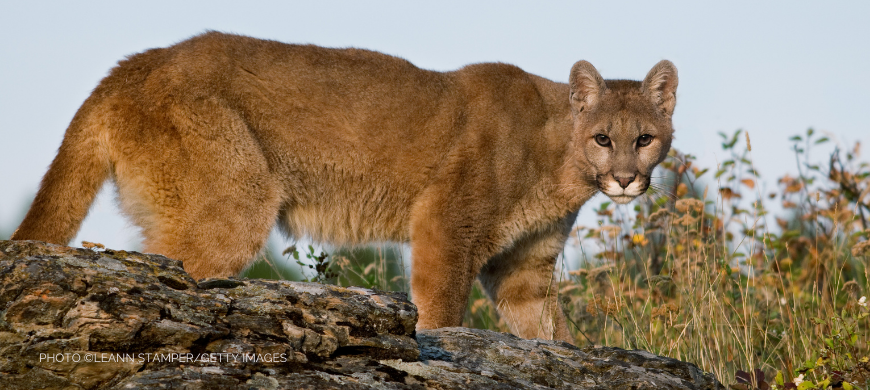 Mountain lions once roamed nearly all of North America, but by the early 1900s, mountain lions had been eradicated from Kansas. As mountain lion populations rebounded in the West, these solitary cats gradually began to roam closer to Kansas. The first confirmed mountain lion in Kansas in modern times was documented in Barber County in 2007. Kansas Department of Wildlife and Parks has confirmed mountain lion sightings in 49 of Kansas's 105 counties.
Learn more about mountain lions in Kansas and how to report a sighting.
Black Bears
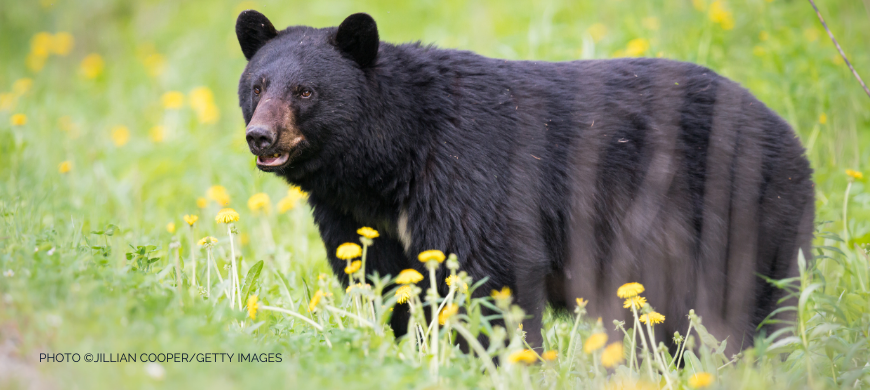 Black bears were historically primarily found in the woodlands of Eastern Kansas and in the rugged terrain of the Red Hills in the Southcentral and Southwestern portions of the state but were probably absent from open grasslands. They have been documented only occasionally since the 1880s, but established populations of black bears within short distances of Kansas have led to increased sightings since 2000.
Report a Black Bear Sighting
Gray Wolves
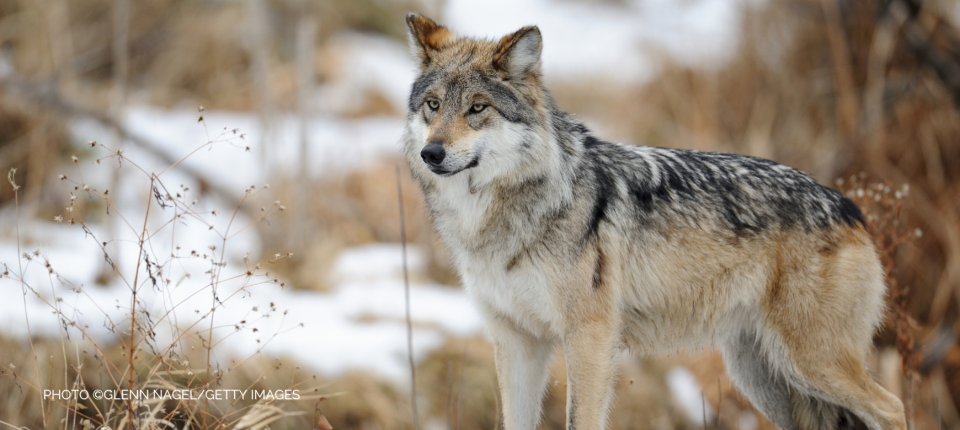 Gray wolves, or timber wolves, once roamed Kansas in great abundance, preying on and scavenging from the great herds of bison, elk, and other big game animals. They were gone from Kansas by the early 1900s and nearly eradicated from the continental United States by 1950. They were listed as endangered under the Endangered Species Act in 1974. Since then, there have been 2 confirmed wolves in Kansas: in northwest Kansas in 2012 and in southcentral Kansas in 2017.
Report a Wolf Sighting
Coyotes and Red Foxes in Wichita
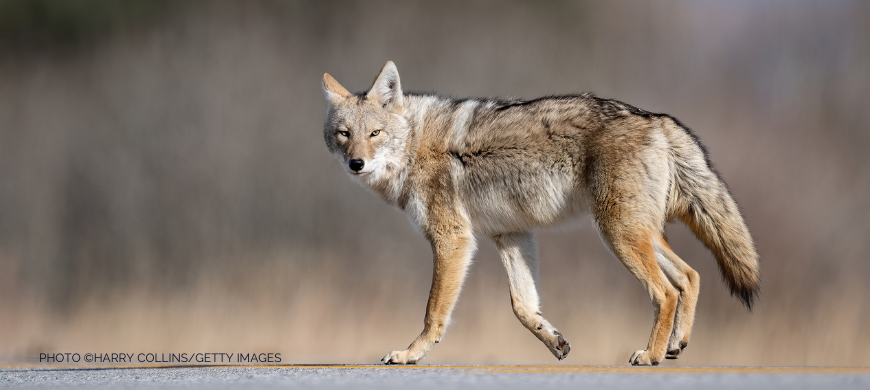 Coyotes and red foxes are common across the state, including in cities, but little is known about how these animals are successful at living among humans in the Great Plains. KDWP biologists teamed up with researchers at Utah State University to conduct a study in Wichita using GPS collars, trail cameras, and citizen science to gather data.
Learn more about the Wichita Urban Coyote and Fox Project and how to report a sighting.
Threatened and Endangered Species
There are more than 50 wildlife species in Kansas that are protected by either state or federal threatened and endangered designations. (Plus another 82 species in need of conservation!) The Kansas Nongame and Endangered Species Conservation Act of 1975 places the responsibility for identifying and undertaking appropriate conservation measures for listed species directly upon the Kansas Department of Wildlife and Parks.
Learn more about threatened and endangered wildlife in Kansas and how to report a sighting.
KDWP takes a scientific approach to verifying the presence of these species. Unfortunately, eyewitness accounts are usually inaccurate, and we can only confirm sightings through field investigations and conclusive evidence, like photos, scat, and hair.
Rare Species Sighting
Help us document rare species sightings in Kansas! Citizen science is an important part of our data collection and population information for our native non-game species, and we need your help! Reporting sightings to KDWP of Threatened and Endangered species, Species In Need of Conservation, or extremely rare species observed in a new location will improve our existing native species data and our conservation efforts for those species. Please copy/paste the questions below into an email, answer those questions as specifically as possible, and send the email to rare.species@ks.gov. If possible, please attach a photo of the animal(s) for verification purposes. If necessary, we may contact you to gather more information.
Please note that this email is not to be used for reporting ill or injured wildlife. For concerns or reports regarding those topics, please reference the Wildlife Rehabilitation page.
Sighting date:
County:
GPS (decimal degrees):
Species (Common/Scientific Name):
Number of adults:
Number of juveniles:
Sex (if known):
Habitat description (River/Stream, Wetland, Woodland, Prairie/Grassland, Cropland, Other):
Comments (dead/alive, nesting, feeding, other behavior):
Your Name:
Phone Number: