Birding
Bird Watching in Kansas
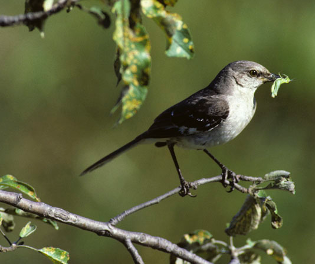 Kansas is an excellent state for the bird watcher. Not only is the year round population of resident birds remarkable but the migratory species can add great delight. Bird watching can be as passive as installing a backyard feeder in that ideal window viewing location. Bird watching can also be a lifetime pursuit or passion, investing time and money traveling and documenting all the different species observed. Kansas offers both. The backyard viewer may lure many a neighborhood bird to the feeder with a commercial feed seed mix or suet feeder. While the more dedicated viewer might choose to custom mix that special feed to lure the unusual birds. The wildlife supply market for both the amateur viewer and the dedicated is extensive. Retailers, wholesalers and even the entrepreneurs are out there to supply your every need. Whether shopping in town, out of town or on the internet, you are sure to find what you want.
Kansas has excellent bird watching sites available. Cheyenne Bottoms, located near Great Bend and Quivira National Wildlife Refuge, located near Stafford, are wonderful sites for viewing migratory birds, during the spring and fall. Rare birds such as the Whooping Crane are known to make stops at Quivira on their flights from Canada to South Texas and back. A drive in the country might be very rewarding for spotting game birds or waterfowl species, with the surprise of other wildlife sightings also.
The list of birds over-wintering in Kansas seems to change on a year to year basis and sometimes week to week or day to day. A flock of Robins for example might congregate in your yard one week and not be seen for weeks after. This could depend on impending weather changes or just another feeding spot. Bluebirds may well surprise you too. They might just show up when you least expect them.
Bird watching is not just limited to the feeder. A specialized bird house or nesting box might just be the calling card to bring resident birds to a year long viewing site, your backyard.
Many birding-related brochures, including "how to build" feeders, houses and nesting boxes can be found here in the Museum/Education Center, along with mounted birds, narratives and an egg display. Those of you who wish to have a good field guide, I recommend "The Guide to Kansas Birds and Birding Hot Spots" written by Bob Gress and Pete Janzen, published by the University Press of Kansas. This book, along with many other books, shirts, caps and unusual gift ideas are available in the outdoor store, located across the street from the museum at the Pratt administrative office.
Coming through the Pratt area? Stop by and see our museum and aquariums. Admission is free.
Contact
Chris Shrack
KDWPT Education Center, Museum and Aquariums
531 SE 25th Avenue
Pratt, Kansas 67124
(620) 672-0776
museum@wp.state.ks.us
Wildlife Viewing Tips
Help Keep Wildlife Wild
 The best way to protect wildlife is to avoid human interaction. When you approach, touch, or feed wild animals, you are putting the animal, yourself, and others in danger.
Interfering with wildlife not only disrupts their natural behaviors but also causes significant stress, which can lead to illness or unpredictable aggression. If disturbed too often, both birds and mammals may desert their nests, dens, or feeding areas. By keeping a safe distance, you allow animals to thrive as nature intended.
Here's how you can use good judgment in viewing wildlife:
- Don't feed wild animals.
- Try to observe wildlife from a distance that will not force the animals to alter their normal behavior.
- Do not flush birds from their nests in order to view their eggs or watch them fly.
- Avoid excess use of tape players in attracting birds during their nesting season.
- Never chase wildlife.
- Limit the time you spend closely viewing an animal.
- Do not pet or rescue young animals. If the parent is not visible, it may be because you are present. Many birds and mammals leave young while feeding or during certain parts of the day.
- Leave feathers, eggs, nests, dead animals, and live animals where you find them. It is illegal to possess them without proper permits.
- After searching under rocks for reptiles or invertebrates, always replace the rocks in their original position. These small habitats take years to develop.
- Respect other viewers, recreationists, and photographers. Do not move in front of someone already in position. If an animal is approached too closely you may ruin everyone's opportunity. Don't intrude on another's area.
- Respect private property. Always get permission before entering.
- While driving on private or public lands, always keep your car on designated roads.
The best general wildlife viewing tip is the P.E.Q. rule: be patient, early, and quiet.
- You may need to wait several minutes, if not an hour or more, to see some wildlife species.
- Getting there before dawn is often necessary.
- Moving slowly and quietly will allow you to see wildlife spectacles you'll miss otherwise. Remember, wild animals do their best to remain hidden.
- Hardly anything else you do will enhance your opportunity to see and hear wildlife more than following the simple PEQ rule.
Here are some more wildlife viewing tips:
- Use field guides to help identify your discoveries. They may be found in most libraries and bookstores.
- Stop at a local nature center to pick up brochures, maps, and wildlife checklists. Ask about any recent wildlife sightings.
- Allow plenty of time. Don't rush from one site to the next.
- Explore all the roads, trails, and habitats. Seldom are all of an area's interesting features clustered around the main entry road.
- Drive slowly, stop often, and shut off your engine to listen and look more carefully.
- Don't forget dusk. Most animals are more active at twilight than in the middle of the day.
- Use binoculars and spotting scopes to view wildlife from a distance that will not disturb them.
- Use a telephoto lens to photograph from a distance.
- Learn to interpret animal signs. Tracks, trails, nests, dens, droppings, and partially eaten plants are clues to what animals may live in the area.
- Pay close attention to "edge," the area where the prairie meets the woods or the water reaches the shore.
- After animals are spotted, don't alarm them. Talk quietly, move slowly, never directly, toward an animal. Try to stay downwind of mammals.
- If the animal is looking directly at you and appears alert and nervous, remain motionless or move slowly away until normal behavior returns.
- Stay away from animals that behave strangely or appear sickly.
- Leave pets at home. Nothing will scare animals away more quickly than a dog.
- Check with local and regional conservation groups for wildlife-viewing areas and tips. There are several Audubon chapters in Kansas and state organizations, such as the Kansas Ornithological Society, Kansas Wildflower Society, Ark Valley Butterfly Club and Kansas Herpetological Society. Contact these groups to enhance your ability to find special wildlife spots and species.