Operation Game Thief is a Kansas Department of Wildlife and Parks program which allows citizens to turn in poachers. You can call us toll-free within Kansas at 1-877-426-3843. You can also contact us by filling in the form at the bottom of this page. You do not have to reveal your name or testify in court.
Why call in?
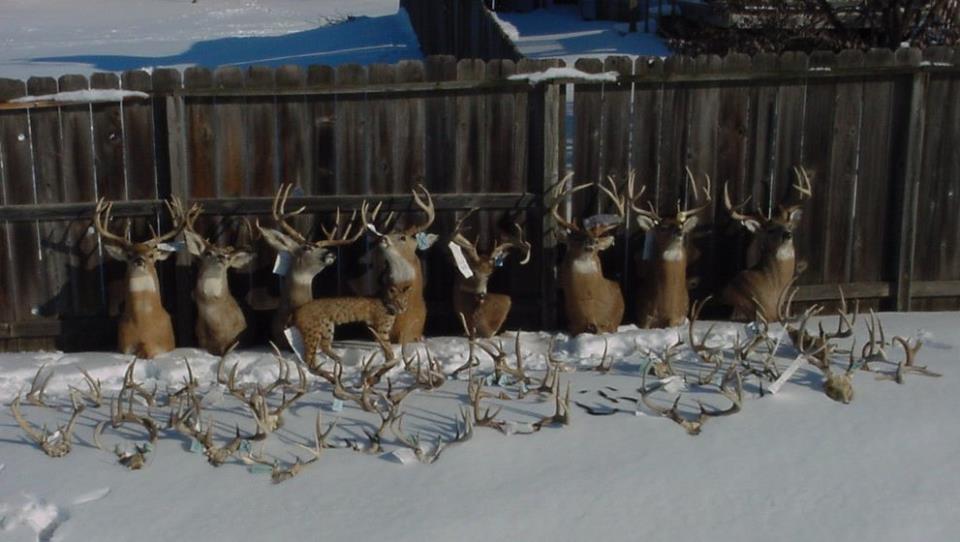
There are never enough Natural Resource Officers to cover the entire state of Kansas all day every day– so, wildlife needs your eyes and ears to report known or suspected violations. Poaching is a serious and costly crime. Every time a poacher illegally takes wildlife, they take something from each of us. Legitimate sportsmen lose the chance of legally harvesting those game and fish. Landowners, businesses and taxpayers lose revenues generated by hunting and fishing. All of us lose part of a valuable natural resource – our wildlife. Poaching takes a terrible toll on wildlife populations and steals from every law-abiding hunter and the general public who just enjoys watching wildlife.
Is poaching really a problem in Kansas?
No one knows exactly how much wildlife is taken by poachers, but some studies estimate poachers may kill almost as many animals and fish as legal hunters take during legal seasons. Poachers don’t take only game animals, they kill threatened, endangered and non-game wildlife species as well. Even if the loss to poachers is half the number in the estimates, the problem is serious
Who are the poachers?
As our nation becomes more urban and less rural, society's connection with the land continues to decrease and the connection between society and conservation also decreases. More and more members of society are viewing outdoor activities as a competition to collect the biggest, the best, or the most wildlife. Poachers are not poor people trying to feed their families. Putting food on the table is one of the least common motives for poaching. Poachers are more likely to kill for profit, for the thrill of killing, or to rebel against wildlife laws. Poachers find a ready market in the US and around the world with collectors who are willing to pay outrageous sums for trophies and rare wildlife. Greedy trophy and commercial poachers think that game laws only matter if they get caught. They kill with no regard for the wildlife or anyone but themselves. Poachers are criminals and should be dealt with as criminals.
What to Look For When Reporting a Violation
Getting the information a Natural Resource Officer will need
When reporting a violation, please note as many facts as possible. You will be asked a variety of questions and the more information you can provide, the quicker the violator can be caught, and the case successfully prosecuted.
Do not attempt to stop a violation yourself or to detain those responsible. Be safe, and be a good witness!
- What happened? What type of violation was it? When and where did it happen? Give the date, time and location, number of shots, etc.
- Give as much information as possible about the suspect or suspects- name, address, telephone, physical description (age, weight, height, hair color, eyes, clothing and any other pertinent information).
- Were firearms involved in the violation? Was the firearm visible or is it concealed in some way? Describe the number and type of weapons.
- Describe the suspect's vehicle - make, year, color, style. License number and any other distinguishing feature like rusted spots or mismatched paint and dents?
- What animals or fish were involved, how many, and where are they now?
- Do you know about any other physical evidence - like hides, entrails, guns, cartridge cases, knives and such?
- Has the illegal game or evidence been moved or will it be moved soon? How is it being transported, and where is it being stored?
- Were there other witnesses? Give their names and any other information about the violation, suspect or violations that you may have noted.
Remember, try to get the information to us as soon as possible. Any delay may mean we might not catch the bad guys!
Do not use this number or form for general information requests. General wildlife and park information may be obtained by phoning the department's Information Section, (620) 672-5911, or contact one of the regional offices. If you're an active outdoorsman or woman, or just concerned about conservation in your area, get to know your local conservation officers. They protect the resource in your area. The list of Natural Resource Officer (NRO) numbers and the counties for which they are responsible are provided to help concerned citizens curb wildlife crime in Kansas. Find an NRO phone number.