Law Enforcement Division Overview
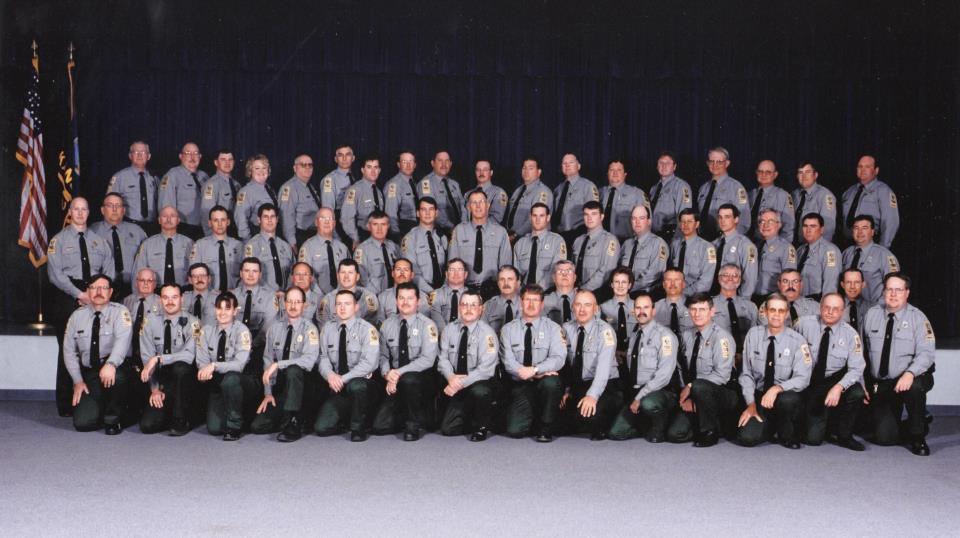 Keeping the outlaws guessing and helping the honest people.
The Law Enforcement Division is responsible for the statewide enforcement of state and federal fish and wildlife laws, boating laws, and public lands regulations. These enforcement activities occur on private and publicly owned lands within the state. In addition to these primary law enforcement duties, KDWP officers also assist federal, state and local law enforcement agencies in a support role when requested. Their assistance is provided for warrant service and arrest of wanted fugitives, enforcement of controlled substance laws, and response to emergency management response. The Division also plays an active role in providing information and educational programs concerning hunter education, boating safety, and other natural resources related programs.
Because of the myriad of duties and responsibilities assigned to Game Wardens it is necessary for them to keep abreast of the advances in forensic sciences, computer technology, emergency response, human behavior and public relations. This requires specialized training from approved sources. All Game Wardens are required to attend 14 weeks of basic law enforcement training at the Kansas Law Enforcement Training Center. Newly hired officers are also provided extensive training relating directly to wildlife and boating law enforcement and department and divisional procedures. State mandated training standards require 40 hours of approved law enforcement related training annually to all certified officers. Training opportunities are also provided to increase knowledge and skills in a variety of areas outside the law enforcement arena.
Division enforcement operations are continually changing to meet the demands required by the public and resource. The use of selective enforcement efforts, focused to address specific problems are utilized in a variety of ways. Road-side check stations, watercraft safety inspection lanes, and boating-under-the-influence enforcement are a few of these operations. The Operation Game Thief program provides a toll free telephone system for the public to report wildlife violations. The division has implemented a K-9 program, utilized for detecting illegally taken wildlife, location of evidence, and tracking. This program is not only used for law enforcement activities, they provide a valuable resource in search and rescue operations.
The division oversees the issuance of several permits, including three types of physical disability permits, controlled shooting areas, and game breeders. Inspections are conducted on commercial wildlife facilities, bait shops, and controlled shooting areas.
Law Enforcement Division is staffed by 83 positions. Their work provides statewide natural resources and watercraft law enforcement services, information and education programs, and other services to address the needs of the Kansas’ public and natural resources. Staff positions include 61 Game Wardens, 11 Lieutenants, 6 Captains, 2 Investigators, 2 Majors, 1 Office Professional, 1 Unclassified Senior Administrative Assistant and 1 Colonel. All positions, except the Office Professional and Senior Administrative Assistant, are certified law enforcement officers. The Division annually employs seasonal or temporary employees to assist in filling personnel needs. These temporary positions range from clerical workers to certified law enforcement officers.
Brief History of Law Enforcement Division
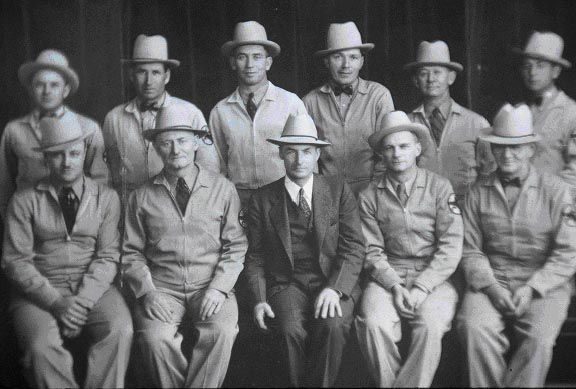 A brief history of Kansas Law related to Law Enforcement Division
In 1911, K.S.A. 32-107 established that "ownership of and title to all wild animals, birds and fishes, both resident and migratory, in the state, not held by private ownerships legally acquired, shall be and are hereby declared to be in the State". In 1927, K.S.A. 74-3301 et. seq., as amended, established the Forestry, Fish and Game Commission as the state agency charged with authority, control and jurisdiction over the conservation of the natural resources of the state, dealing with wildlife and its habitats.
Since they were originally enacted, several additions to the original charges to the Commission in K.S.A. chapters 32 and 74 have been made by the Legislature. These included the authorization to establish open and closed seasons and bag limits on "any species of game, game birds or other birds, fish and furbearing animals", to disseminate information for the public good.
In 1969, K.S.A. 82a-804 through 819 directed the Commission to resume responsibility for recreational boating safety and law enforcement on public waters in Kansas.
In 1975, K.S.A. 32-501-510 directed the Commission to conduct investigations and establish programs for the conservation of nongame and threatened and endangered species.
In 1987 the Kansas Fish and Game Department was combined with the Kansas Parks Authority to form the current Kansas Wildlife and Parks Department. During this time the statutes and regulations were recodified to address the merger.
We Will Never Forget
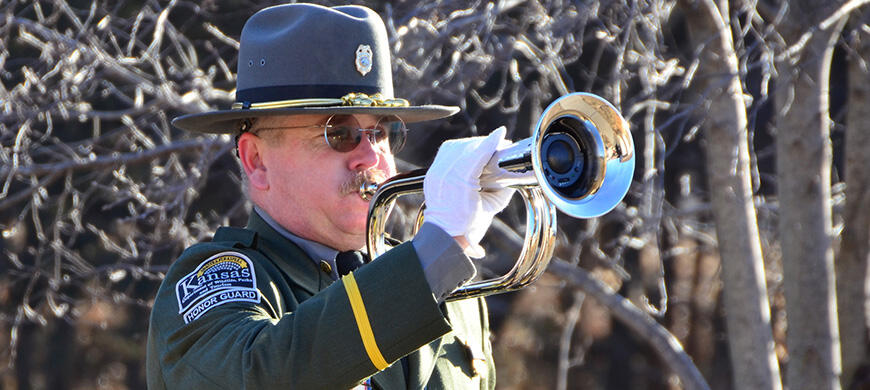
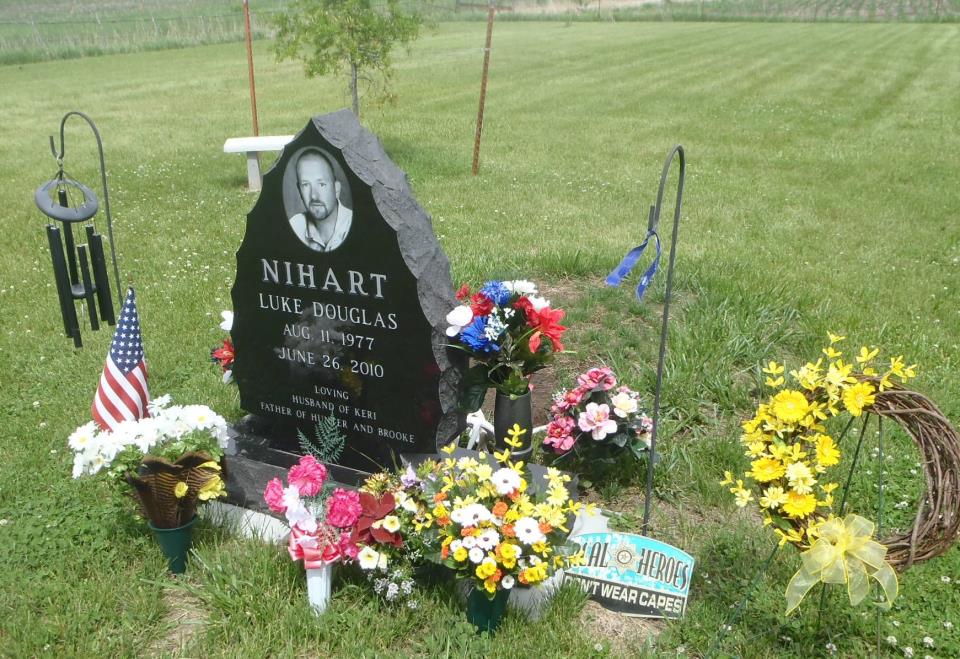 Park Ranger Luke D. Nihart
On June 26, 2010, Park Ranger Luke Nihart died of injuries sustained from an ATV accident while working at the Country Stampede at Tuttle Creek State Park. Ranger Nihart left behind his wife Keri, son Hunter, and daughter Brooke.
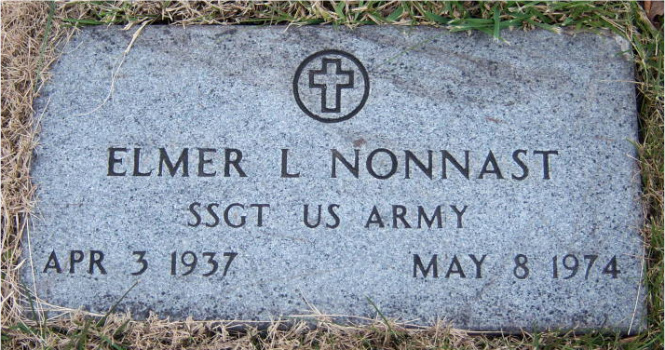 Game Warden Elmer L. Nonnast
On May 8, 1974, Game Warden Elmer L. Nonnast, age 37, suffered a fatal heart attack following a foot pursuit of illegal anglers while he and his partner patrolled the Arkansas River. After returning from the foot pursuit, Warden Nonnast became involved in an argument with the other suspects that had been apprehended. He collapsed and was taken to a local hospital where he passed away.
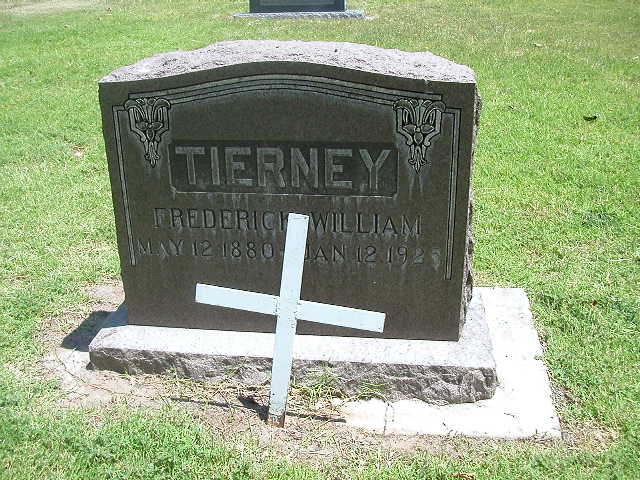 Game Warden F.W. Tierney
In January of 1925, Warden F.W. Tierney, Elkhart, was shot and killed in Wilburton, Kansas by two men whom he had under surveillance for alleged violations of game laws.
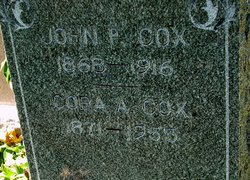 Game Warden John H. Cox
On December 6, 1916, Warden John H. Cox, suffered a fatal gunshot wound as he attempted to arrest a man for hunting without a license several miles outside of Topeka. The suspect who shot Warden Cox was eventually apprehended and convicted of murder.
Careers
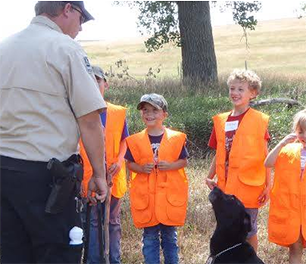 Thinking about wanting to become a Natural Resource Officer? Here is some helpful information.


